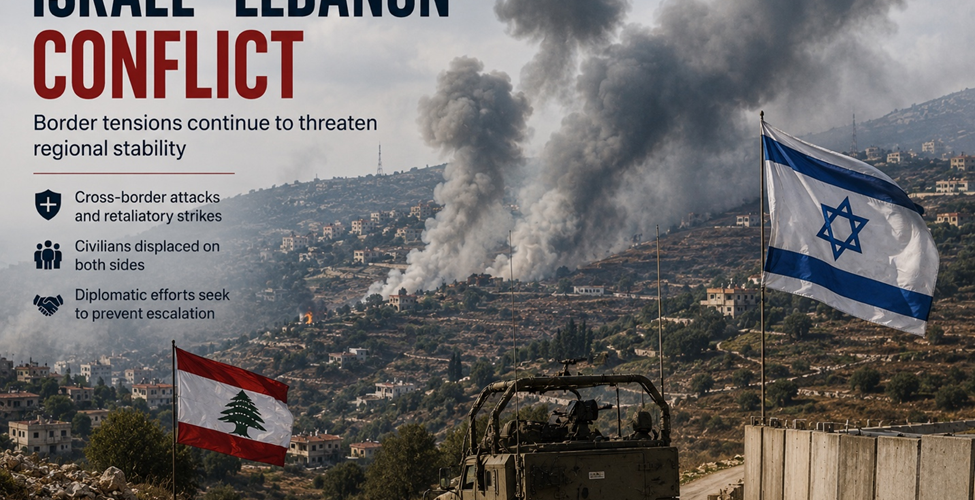
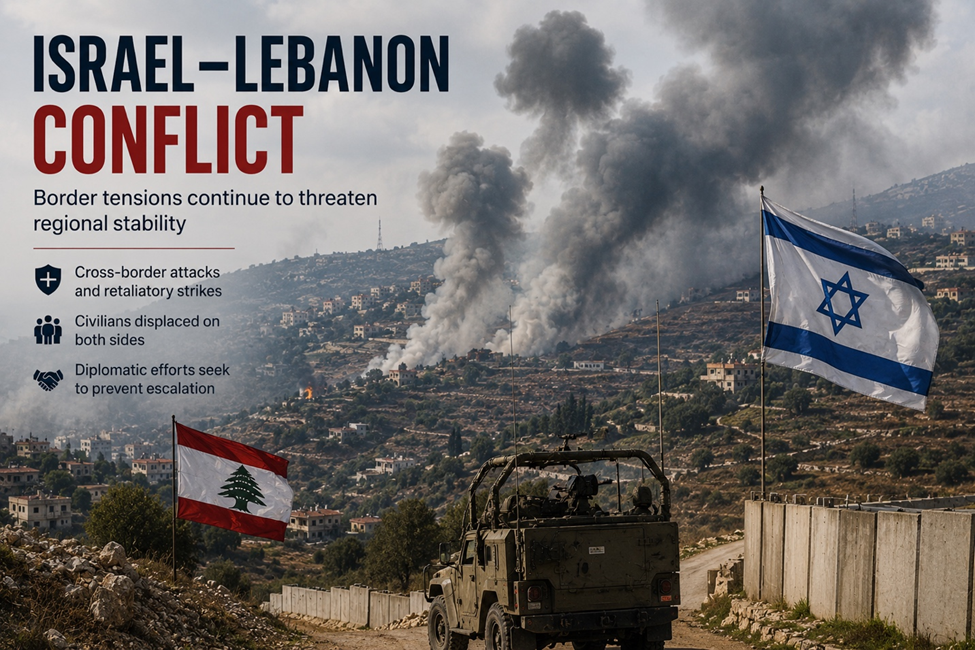
Despite periodic ceasefires and international diplomatic efforts, the conflict between Israel and Hamas continues to make Gaza one of the world’s most volatile and closely watched conflict zones.
More than two years after the latest phase of fighting began, military operations, rocket attacks and security incidents continue to influence the lives of millions of people across Israel, Gaza and the wider Middle East.
The conflict centers on Israel and Hamas, the Palestinian armed movement that has governed Gaza since 2007. While periods of reduced violence have occasionally offered temporary relief, recurring hostilities have repeatedly undermined efforts to establish a lasting peace.
Israeli officials maintain that military operations are necessary to protect national security and prevent future attacks. The Israeli government argues that Hamas continues to pose a significant threat through its military infrastructure, rocket capabilities and armed activities inside Gaza.
Hamas and allied Palestinian groups, meanwhile, describe their actions as resistance against Israeli occupation and policies affecting Palestinian territories. They argue that a comprehensive political solution addressing Palestinian statehood and sovereignty remains essential for achieving lasting stability.
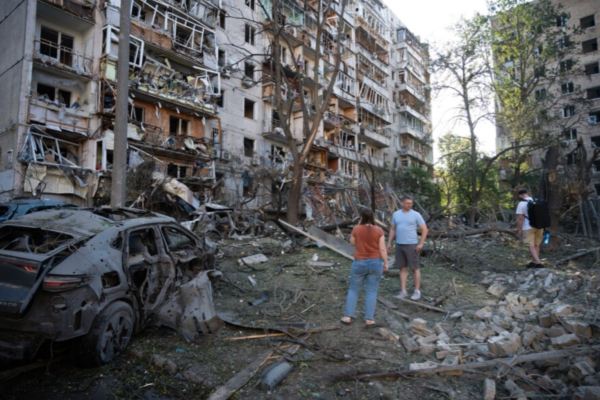
For civilians on both sides, the consequences of the conflict remain severe. Residents of southern Israel continue to face security concerns linked to rocket fire and cross border attacks, while civilians in Gaza confront widespread humanitarian challenges, including damage to infrastructure, limited access to essential services and economic hardship.
International aid organizations have repeatedly warned that Gaza’s humanitarian situation remains fragile. Concerns over healthcare, food security, water supplies and housing continue to dominate discussions among humanitarian agencies operating in the region.
The conflict has also become a major focus of international diplomacy. Regional powers, European governments, the United States and the United Nations have all sought to support ceasefire initiatives and encourage renewed political dialogue.
Analysts note that the Gaza conflict carries implications far beyond the immediate battlefield. Escalations have the potential to affect broader regional stability, influence relations between Middle Eastern states and shape global diplomatic priorities.
Military developments have increasingly involved advanced technologies, including drones, precision guided weapons and sophisticated surveillance systems. Security experts say the conflict continues to offer lessons that are being closely studied by military planners around the world.
At the same time, prospects for a long term political settlement remain uncertain. Decades of failed negotiations, competing national narratives and deep mistrust between the parties continue to complicate efforts aimed at achieving a durable peace.
For many civilians living in Gaza and Israel, daily life remains shaped by uncertainty. Families on both sides continue to face the consequences of a conflict that has endured through multiple generations.
As international mediators pursue new diplomatic initiatives, pressure is growing for all parties to prioritize civilian protection, humanitarian access and meaningful political engagement. Whether such efforts can produce lasting results remains one of the most important questions facing the Middle East today.
Until a comprehensive political solution emerges, the Gaza conflict is likely to remain a central challenge for regional security and one of the world’s most closely monitored humanitarian and geopolitical crises.

0 Comments
Leave a Comment