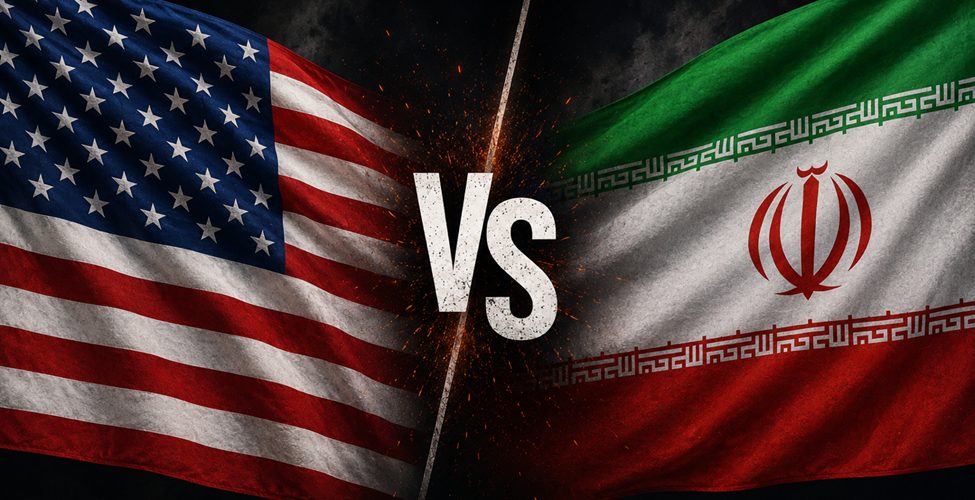
The long standing rivalry between the United States and Iran remains one of the most consequential geopolitical disputes in the Middle East, influencing regional security, global energy markets and international diplomacy.
In recent years, however, that rivalry has escalated into direct military conflict. In June 2025, during the Twelve-Day War between Israel and Iran, the United States struck Iranian nuclear facilities, and Iran responded by firing missiles at a United States base in Qatar before a ceasefire ended the fighting.
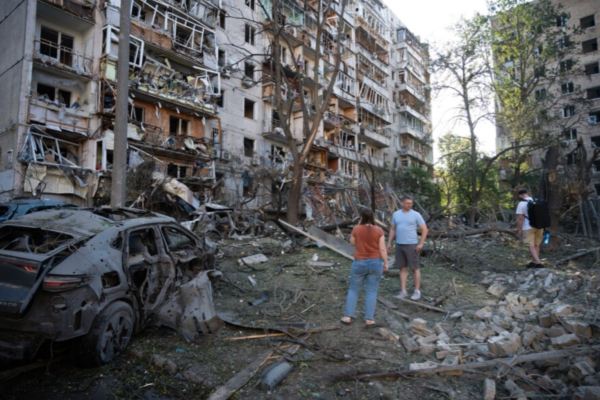
In late February 2026, the United States and Israel launched a far larger air campaign against Iran that killed Supreme Leader Ali Khamenei and many senior officials, opening a direct war between Washington and Tehran. Iran retaliated against United States bases and United States-aligned Gulf states and disrupted shipping through the Strait of Hormuz.
The United States argues that Iran’s nuclear activities, ballistic missile program and support for allied armed groups across the Middle East pose challenges to regional stability and international security. American administrations have sought to contain Iran’s influence through sanctions, diplomatic pressure and military deterrence.
Iran, meanwhile, maintains that its nuclear program is intended for peaceful purposes and has consistently rejected allegations that it seeks to develop nuclear weapons. Iranian officials argue that the country’s military capabilities are defensive in nature and necessary to protect national sovereignty in a volatile region.
Relations between the two countries have remained strained for decades, with disagreements extending far beyond the nuclear issue. Conflicts in Iraq, Syria, Lebanon, Yemen and the Persian Gulf have frequently placed the two powers on opposing sides of regional disputes.
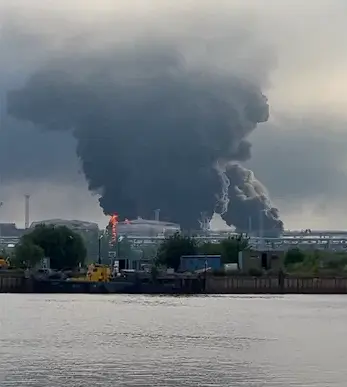
After weeks of fighting, a United States naval blockade of Iran and repeated truce attempts, the two sides signed a memorandum of understanding in June 2026 intended to bring the war to an end. The ceasefire has remained fragile and a final settlement is still being negotiated, leaving the risk of renewed escalation high. Incidents involving naval forces, missile strikes, allied armed groups and cyber operations continue to threaten broader confrontation.
The rivalry has also had far reaching economic implications. International sanctions targeting Iran have affected trade, investment and energy exports, while developments in the relationship often influence global oil prices and financial markets.
Diplomatic efforts have focused heavily on Iran’s nuclear activities. Negotiations involving world powers have sought to limit nuclear development in exchange for sanctions relief, but progress has frequently been interrupted by political disagreements and changing strategic priorities.
Regional governments closely monitor developments between Washington and Tehran. Many Middle Eastern countries view stability in the relationship as essential to regional security, economic growth and international investment.
For ordinary citizens, the consequences of prolonged tensions are often felt through economic uncertainty, inflationary pressures and concerns about regional stability. Businesses and investors also remain sensitive to developments that could affect energy supplies or trigger wider geopolitical disruptions.
Despite years of confrontation, diplomatic channels between the two sides have occasionally produced limited agreements aimed at reducing tensions and preventing escalation. International mediators continue to encourage dialogue as a means of avoiding conflict and promoting regional stability.
Security experts widely agree that any future confrontation between the United States and Iran would have consequences extending far beyond the Middle East. Such a conflict could impact global energy markets, international trade routes and the broader geopolitical balance.
As diplomatic efforts continue alongside strategic competition, the relationship between Washington and Tehran remains one of the most closely watched dynamics in international affairs. Whether future engagement leads to greater stability or renewed confrontation will play a significant role in shaping the security landscape of the Middle East and beyond.

0 Comments
Leave a Comment